
Common Conditions We Treat at Bodyworx Massage & Myotherapy
At Bodyworx, we regularly support clients experiencing a range of musculoskeletal conditions that affect strength, mobility, comfort, and daily function. Below are some of the most common presentations we see in clinic, each treated with evidence‑based assessment, targeted hands‑on therapy, and corrective exercise where appropriate.
Rotator Cuff Weakness
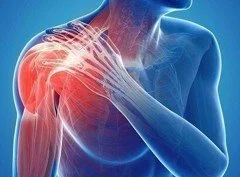
The rotator cuff is made up of 4 muscles that work together to stabilize the shoulder joint. What can cause the weakness- repetitive overhead activities, sporting activities such as swimming, tennis, throwing or weightlifting, previous shoulder injuries, poor movement patterns, muscle imbalance, reduced shoulder mobility, overuse or inadequate recovery, prolonged periods of inactivity. Remedial massage and Myotherapy can add value to a broader shoulder rehabilitation program.
Muscle Strains
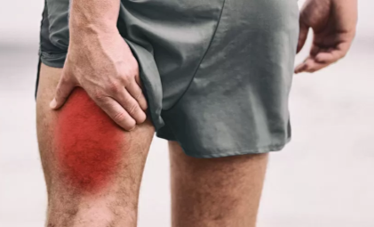
Muscle strains are a common injury that can happen during sport, exercises, work or everyday activities. Whether you’ve suddenly overstretched a muscle, lifted something awkwardly, or pushed yourself too hard during training, a muscle strain can cause pain, tightness and reduce movement. A muscle strain occurs when a muscle or the tendon connected to its overstretched or overloaded resulting in damage to the muscle fibres. Common signs and symptoms – localised muscle pain or tenderness, tightness or stiffness, pain when stretch or contracting the muscle, reduced range of movement, muscle weakness, swelling or bruising in some cases, difficulty performing normal activities or exercise.
Remedial and myotherapy help to activate the muscles to induce the body’s nature response of healing. Myotherapy can help address muscle strength, movement patterns, flexibility and training loads to build you back towards your usual activities.
Lateral epicondylitis or Tennis elbow
Pain on the outside of your elbow can make everyday activities surprisingly difficult from lifting a coffee cup to gripping, typing, exercises or playing sport.
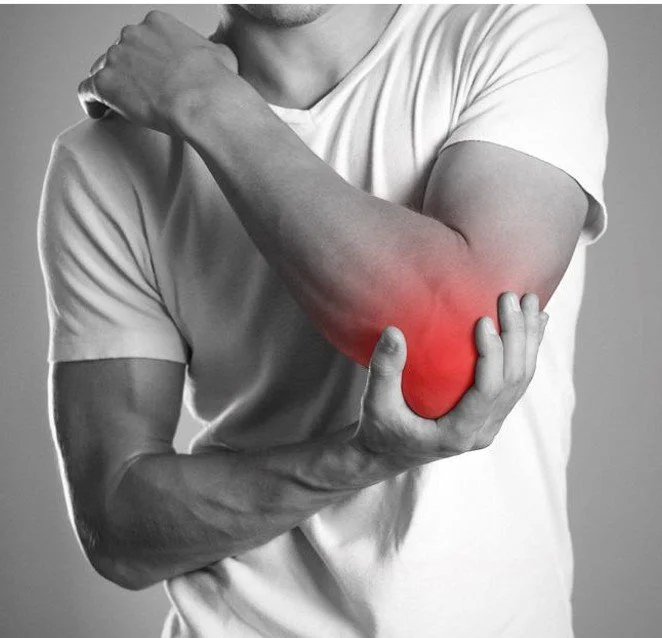
One common cause of this type of elbow pain is tennis elbow, medically known as lateral elbow tendinopathy also known as tennis elbow. Despite its name you don’t have to play tennis to develop it. Tennis elbow can affect anyone whose work, sport or daily activities place repeated stress on the muscles and tendons around the forearm and elbow.
Remedial and Myotherapy can help with the muscular tension and sensitivity throughout the forearm and surrounding areas. Depending on assessment the therapist may use a combination of soft tissue techniques, trigger point therapy, myofascial, dry needling, cupping techniques, and exercises prescription.
Lower cross syndrome
Have you ever experienced ongoing lower back tightness, stiff hips, or tension through your lower body especially after sitting for long periods? One possible contributing factor is a postural pattern commonly referred to as lower cross syndrome.
Lower cross syndrome describes a pattern of muscle imbalance around the lower back, pelvic and hips. It is often associated with prolonged sitting, repetitive movement patterns, reduce strength in certain muscles groups or changes in how the body distributes load during everyday activities.
Remedial and Myotherapy can help address areas of muscular tension and discomfort that may be contributing to restricted movement. Depending on assessment the therapist may use a combination of soft tissue techniques, trigger point therapy, myofascial, dry needling, cupping techniques, and exercises prescription.
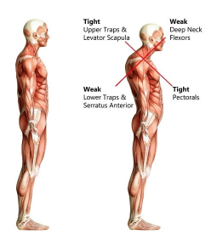
Upper cross syndrome
Do you experience neck and shoulder tension, headaches, upper back stiffness or discomfort after sitting at a desk for long periods? You may have heard the term upper cross syndrome used to describe a common patter of muscular tension and weakness around the neck, shoulders and upper back.
Symptoms- reduced mobility, muscle fatigue, shoulder discomfort, headaches, upper back, neck and shoulder tension.
Remedial and myotherapy can help address the areas of muscular tension and discomfort identified during your assessment. The therapist may use a combination of soft tissue techniques, trigger point therapy, myofascial, dry needling, cupping techniques, and exercises prescription. The goal is not to simply release tight muscles but to help improve comfort and movement so you can participate more effectively in your normal activities and exercise program.
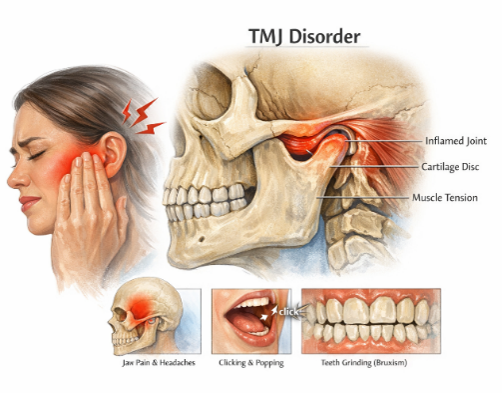
TMJ (temporomandibular joint) Dysfunction
Have you ever experienced jaw pain, clicking or popping when you open your mouth, headaches around your temples, or tension through your neck and shoulders? These symptoms may be associated with temporomandibular joint (TMJ) dysfunction.
Remedial and Myotherapy can be useful as part of a broader approach to managing muscular tension associated with TMJ symptoms. Myotherapy looks at your posture, movement patterns, muscle tension and daily habits to identify factors that may be contributing to your symptoms.
Ready to Feel Better?
If you’re experiencing any of these conditions, whether it’s shoulder weakness, jaw tension, lower‑back discomfort, or overuse pain. Our therapists are here to help you move, feel, and function at your best. Book your next appointment and take the first step toward easing pain and restoring balance.